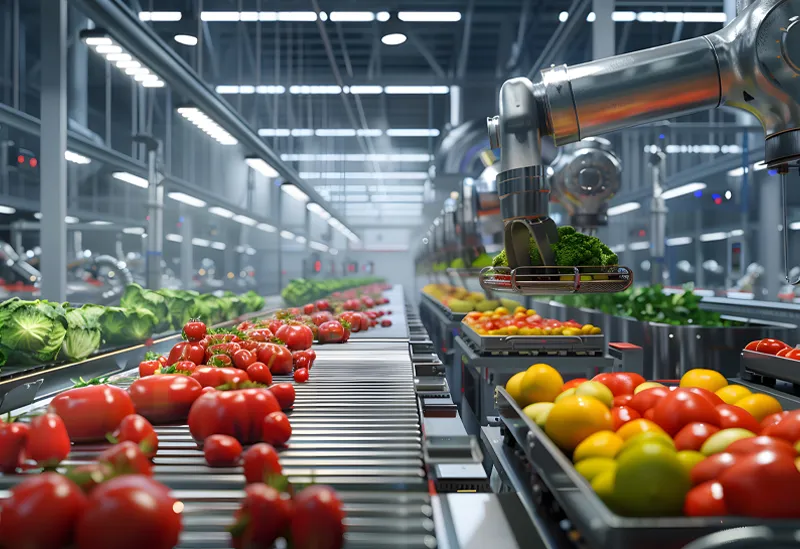
Another angle automation is already impacting in warehouses is internal transportation. Warehouses require many carts, which workers use to collect necessary items and move them to different locations for sorting. Workers formerly had to reach up on shelves and pick out the items themselves, then move the carts to their set locations.
Now, these carts can operate independently. Some robotic carts can pick specific items off specific shelves, then move those items to where they need to be. While workers previously had to reach for items on high shelves or carry something heavy, the cart itself can now handle that labor with a goal of reducing injuries.
Workplace injuries mean lost time and lost labor for the individual and the company. Just last year alone, workers reported 2.8 million non-fatal injuries, with an average loss of 5.5 days per injury. Each day lost forces slows the supply chain, costing farmers and distributors money as the products spoil. Robotic carts allow workers to incur less injuries, saving the company time and the farmers lost income.
Some companies are already integrating these machines into their warehouse operations, and in doing so, saving millions on workplace injuries as well as lost labor.
End benefit to farmers, wholesalers and the economy at large
The benefit automation can bring to food logistics is endless. Farmers are now able to get their goods to market faster and fresher than ever, and the workforce required to make that happen is shrinking. Automated machines are making human lives easier and greatly reducing the risk of injury. By fusing together automation and human ingenuity, food logistics and supply chains will serve as spearhead into the next era of human development.
FAQs
How can automation improve the food supply chain?
Automation can streamline packaging, warehousing and transportation while reducing reliance on manual labor and helping food move through the supply chain more efficiently.
Can automation help reduce food waste?
Yes. Faster and more efficient handling, packaging and transportation can help reduce the amount of food that spoils before reaching consumers.
How are robots being used in food supply chains?
Robotic technologies such as automated case packers, autonomous forklifts and robotic carts can perform repetitive packaging, transportation and material-handling tasks.
How can automation help address agricultural labor shortages?
Automation can perform certain repetitive and labor-intensive tasks that would otherwise require additional workers, helping farms and distributors maintain productivity during labor shortages.
Can agricultural businesses qualify for the R&D tax credit?
Agricultural businesses may qualify for the R&D tax credit when they conduct eligible activities involving the development or improvement of products, processes, techniques or technologies. The current alliant R&D page specifically identifies Agriculture and Food & Beverage as industries that can qualify.