
I am constantly pushing our professionals to find actionable and measurable solutions to the biggest problems American businesses are facing today. The business owners I speak to are all having trouble finding talent, mustering enough funds to expand their operations, and they’re worried about the implications of a purely digital future. The good news is our rigorous science-based and AI backed methodologies have been able to deliver customized solutions to everyone that works with us.”

Dhaval Jadav
Chief Executive Officer
Myron is recognized as one of the top executives in the U.S. automation industry. For more than 60 years, his company helped strengthen the American manufacturing industry through innovative solutions. Myron leverages his decades of experience as a top executive in the world of automation for strategic benefit of alliantgroup’s clients and CPA partners.

Myron Moser
Strategic Advisory Board Member Chairman Emeritus Hartfiel Automation
News & Insights



Fire Ant Control and Farm Policy Take Center Stage; Mike Johanns Shares Insight for Growers
The March 20 edition of the AgNet News Hour delivered a mix of practical field insights and high-level agricultural policy discussion, giving California farmers both immediate takeaways and long-term perspective.
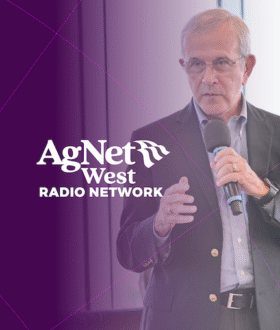
Mike Johanns Talks Farm Profitability, Policy, and the Future of California Agriculture
The March 19 edition of the AgNet News Hour featured a compelling and wide-ranging interview with former U.S. Secretary of Agriculture Mike Johanns, who offered insight into the economic challenges facing farmers and what it will take to sustain agriculture for the next generation.
Speak with our experts
Schedule a free consultation with our team of experts!