

Rick Lazio is a former U.S. Representative from New York serving in Congress from 1993-2001. While there, he became a strong advocate for small businesses by sponsoring the successful Small Business Tax Fairness Act. Rick is committed to his continued interest and support of small to mid-sized businesses by brokering his insight and experience in the public and private sectors to provide strong incentives for job growth.

Rick Lazio
Senior Vice President; Former U.S. Congressman
This article was published in Tech Target and written by Makenzie Holland.
News & Insights


Fire Ant Control and Farm Policy Take Center Stage; Mike Johanns Shares Insight for Growers
The March 20 edition of the AgNet News Hour delivered a mix of practical field insights and high-level agricultural policy discussion, giving California farmers both immediate takeaways and long-term perspective.
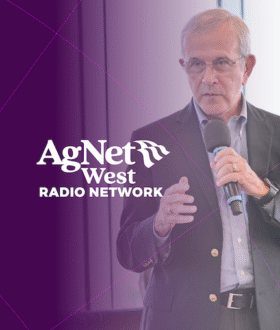
Mike Johanns Talks Farm Profitability, Policy, and the Future of California Agriculture
The March 19 edition of the AgNet News Hour featured a compelling and wide-ranging interview with former U.S. Secretary of Agriculture Mike Johanns, who offered insight into the economic challenges facing farmers and what it will take to sustain agriculture for the next generation.
Speak with our experts
Schedule a free consultation with our team of experts!