
Dhaval Jadav is Chief Executive Officer of alliant, America’s leading consulting and management engineering firm, which helps American businesses overcome the challenges of today to prepare them for the world of the 22nd Century and beyond. Jadav co-founded the firm in 2002 to be unlike any other consultancy, with an emphasis on partnerships with clients to not only identify but also implement quantifiable solutions to their most critical concerns.

Dhaval Jadav
Chief Executive Officer
With over 25 years of entrepreneurial and consultative experience in various sectors, Chris Stephenson is the current Managing Director of Intelligent Automation, AI & Digital Services at alliantgroup. Chris, former managing principal of product automation at Grant Thornton, has been recognized for demonstrating a natural aptitude for leading integrations, acquisitions, and technological implementations.

Chris Stephenson
Managing Director of Intelligent Automation, AI and Digital Services
This article was published in Big Data Wire and written by Dhaval Jadav and Chris Stephenson.
News & Insights



Fire Ant Control and Farm Policy Take Center Stage; Mike Johanns Shares Insight for Growers
The March 20 edition of the AgNet News Hour delivered a mix of practical field insights and high-level agricultural policy discussion, giving California farmers both immediate takeaways and long-term perspective.
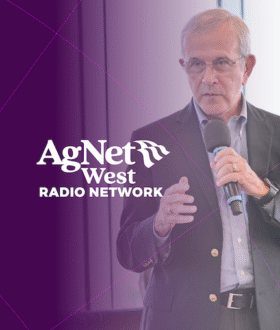
Mike Johanns Talks Farm Profitability, Policy, and the Future of California Agriculture
The March 19 edition of the AgNet News Hour featured a compelling and wide-ranging interview with former U.S. Secretary of Agriculture Mike Johanns, who offered insight into the economic challenges facing farmers and what it will take to sustain agriculture for the next generation.
Speak with our experts
Schedule a free consultation with our team of experts!