
Kara Costello with over 10 years of experience as a dynamic program leader specializing in strategy execution, Kara excels at managing cross-functional teams from conception through implementation. Her track record includes overseeing mid to large-scale projects while maximizing efficiency and driving successful completion.

Kara Costello
Senior Director, alliantConsulting
News & Insights

Fire Ant Control and Farm Policy Take Center Stage; Mike Johanns Shares Insight for Growers
The March 20 edition of the AgNet News Hour delivered a mix of practical field insights and high-level agricultural policy discussion, giving California farmers both immediate takeaways and long-term perspective.
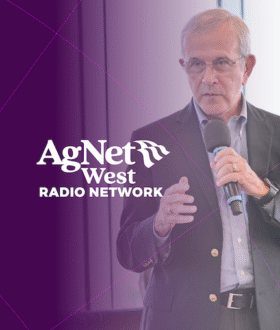
Mike Johanns Talks Farm Profitability, Policy, and the Future of California Agriculture
The March 19 edition of the AgNet News Hour featured a compelling and wide-ranging interview with former U.S. Secretary of Agriculture Mike Johanns, who offered insight into the economic challenges facing farmers and what it will take to sustain agriculture for the next generation.
Speak with our experts
Schedule a free consultation with our team of experts!