
Tracy Lustyan is a Managing Director based in alliantgroup’s Chicago office, focusing on clients in the Midwest, primarily Illinois, Missouri, Minnesota, and Iowa. Tracy offers a vast knowledge of government-sponsored programs, with concentrated expertise in the business application of the R&D Tax Credit, IC-DISC, energy credits, and tax controversy services.

Tracy Lustyan
Managing Director
News & Insights


Fire Ant Control and Farm Policy Take Center Stage; Mike Johanns Shares Insight for Growers
The March 20 edition of the AgNet News Hour delivered a mix of practical field insights and high-level agricultural policy discussion, giving California farmers both immediate takeaways and long-term perspective.
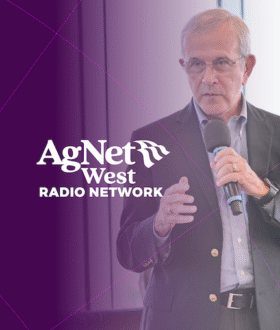
Mike Johanns Talks Farm Profitability, Policy, and the Future of California Agriculture
The March 19 edition of the AgNet News Hour featured a compelling and wide-ranging interview with former U.S. Secretary of Agriculture Mike Johanns, who offered insight into the economic challenges facing farmers and what it will take to sustain agriculture for the next generation.
Speak with our experts
Schedule a free consultation with our team of experts!