
As Vice Chairman of alliantgroup, Mark helps guide strategic and operational planning for the firm. Mark’s extensive private sector and government background afford him insights on tax incentives and regulatory matters which he shares with businesses across the country on behalf of alliantgroup. Mark is consulted regularly by the media concerning issues of tax administration and tax policy and how they impact businesses.

Mark W. Everson
Vice Chairman; Former IRS Commissioner
News & Insights



Fire Ant Control and Farm Policy Take Center Stage; Mike Johanns Shares Insight for Growers
The March 20 edition of the AgNet News Hour delivered a mix of practical field insights and high-level agricultural policy discussion, giving California farmers both immediate takeaways and long-term perspective.
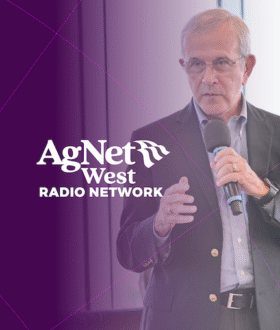
Mike Johanns Talks Farm Profitability, Policy, and the Future of California Agriculture
The March 19 edition of the AgNet News Hour featured a compelling and wide-ranging interview with former U.S. Secretary of Agriculture Mike Johanns, who offered insight into the economic challenges facing farmers and what it will take to sustain agriculture for the next generation.
Speak with our experts
Schedule a free consultation with our team of experts!